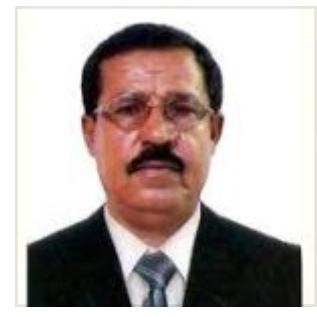
الإحسان يكمن في بواعثنا

كتب: حسين أحمد الكلدي
قال تعالى: ﴿هَلْ جَزَاءُ الْإِحْسَانِ إِلَّا الْإِحْسَانُ﴾
[الرحمن: 60]، وقال تعالى: ﴿وَمَنْ يُسْلِمْ وَجْهَهُ إِلَى اللَّهِ وَهُوَ مُحْسِنٌ فَقَدِ اسْتَمْسَكَ بِالْعُرْوَةِ الْوُثْقَى وَإِلَى اللَّهِ عَاقِبَةُ الْأُمُورِ﴾ [لقمان: 22]. ويُعدّ الإحسان أعلى مراتب الدين الثلاثة (الإسلام، الإيمان، الإحسان)، ويُعرَّف بأنه الإتقان في التعامل بصدقٍ وإخلاصٍ وأمانة. والإحسان هو كل ما نتصرف به في أقوالنا وأفعالنا ، وهو يكمن في بواعثنا في المقام الأول. والبواعث الحقيقية للإحسان لدى من يعملون به هي بواعث إيثار الغير وتقديم مصلحة الآخرين. فأفضل مكان تبحث فيه عن الإحسان هو أن تبدأ من داخل ذاتك، من خلال التفكير في الآخرين، والقيام بالأعمال الحسنة بغض النظر عن أهميتها أو حجمها، متى ما سنحت الفرصة لذلك، وفي أي مكان. ولا تقتصر أعمال الإحسان على إخراج المال، بل تتجاوز ذلك بكثير، لتشمل إظهار العطف والرحمة، وإبداء المجاملة في وقتها المناسب، وبذل الوقت والطاقة والمشاعر لمساعدة كل من يحتاج إلى العون، سواء كانوا أغنياء أم فقراء. فالإحسان ينبع من القلب، ومن خلت قلوبهم منه فإنهم يعانون من أسوأ ما قد يصيب القلوب. نحن دائمًا نتحدث بعبارة: “لو كنت غنيًا فسأساعد الناس”، وكأن الغنى يقتصر على المال فقط. فماذا عن الغنى بالأخلاق؟ وماذا عن من ينثر الحب بالكلمة الطيبة؟ فمن الممكن أن تكون غنيًا جدًا بما تملكه من حب وكرم وعطاء، وكلمة طيبة، ورحمة، وابتسامة، وسماحة في التعامل. وأحيانًا نتحدث عن فاعل الخير وننسى أنفسنا، مع أننا جميعًا نستطيع فعل ذلك متى ما بذلنا أنفسنا. فالمرء يكون ثريًا عندما يبذل نفسه في سبيل الخير ومحبة الآخرين. وهذه الحياة تكون أكثر متعة حينما نعيش للآخرين؛ فالسعادة تكمن في إظهار الرأفة والرحمة والعطف والتسامح، وهي من أجمل أنواع السعادة للنفس. ويبدأ الإحسان من البيت أولًا: في برّ الوالدين، والإحسان إلى الأبناء والزوجة، والإحسان إلى الجار بكفّ الأذى عنه، وإكرامه، وتحمل أذاه، والعفو والصفح، والتجاوز عن المخطئين، وهو من أعلى مراتب الإحسان في التعامل. كما يشمل الإحسان الصدقة وإطعام الطعام، وتفريج كربات الناس، وإغاثة الجائعين، وكذلك الإحسان إلى الحيوان بعدم تعذيبه او أذاه أو الإضرار به. فالإحسان هو التضحية والتنازل عن المصالح الشخصية لتحقيق النفع للآخرين. وهناك شواهد كثيرة في الحياة دائما اتذكرها ونحن نلمسها، ممن بذلوا جلّ وقتهم في الأعمال الخيرية والإنسانية في منطقتنا الريفية ، ثم رحلوا عنا، لكنهم تركوا بصمات شاهدة على تلك الأعمال. فقد وحدوا اللحمة وبنوا المدارس والمستشفيات، وشقّوا الطرق، وتلك الأعمال تشهد على إيثارهم، وستخلد ذكراهم اليوم وغدًا في وجدان الأجيال القادمة، حتى وإن لم تعرف أسماءهم، فإن أفعالهم كفيلة بتخليدهم. وقد تبدو الكلمة الطيبة أمرًا سهلًا، ولكن وقعها على النفس وتأثيرها يمتدان إلى ما لا نهاية. فهي لغة تُقرأ وتُفهم حتى للأبكم والأصم. وقد تذكرت موقفًا حدث لي في طفولتي، حين كنت في التاسعة من عمري، عندما كنا مجتمعين في احد دكاكين القرية عندما سخر أحدهم مني أمام الآخرين بسبب عفويتي وسرعة حركتي وطريقة تواصلي معهم . فهو قد لايدرك اثر تلك الكلمة ومدى استمرارها وأثر ذلك التصرف معي طيلة حياتي؛ إذ أتذكر تلك الكلمة في كل لحظة، لأن الكلمات قد تطلق سمومًا لا تنساها الروح إذا قيلت بغير مبرر أو مسؤولية. فكل كلمة طيبة تعدّ قرضًا حسنًا لا تستطيع رده مهما بذلت من جهد. فقد تستطيع سداد الديون المالية مهما عظمت، لكن الكلمة الطيبة، والرحمة، والابتسامة، والعطف، يصعب ردّها. لذلك، احرص دائمًا على أن تكون رقيق المشاعر، طيب القلب، حيّ الضمير في تعاملاتك المالية والعملية لطيف المعشر في جميع مراحل الحياة؛ فهذه فرصة غالية لا تتكرر، لأننا نعيش مرة واحدة في هذه الدنيا. وقد تعلمت كثيرًا من والدتي الله يرحمها ويغفر لها كانت طيلة حياتها، تحثنا على الرأفة والرحمة والعطف والتسامح، ومقابلتهم بابتسامة وطيبة نفس، وبضمير حي اثناء التعامل مع الآخرين. وقد منحتني تلك القيم الشجاعة والعمل بوضوح وبصدق وأمانة فذلك كان دافعًا قويًا لي في مواجهة مختلف الظروف التي عشتها.
حسين بن أحمد الكلدي
10 / أبريل / 2026
Benevolence Lies in Our Inner Motives
Allah, the Exalted, says: “Is the reward for excellence anything but excellence?” (Qur’an 55:60). He also says: “And whoever submits his face to Allah while being a doer of good has indeed grasped the firmest handhold; and to Allah is the final outcome of all matters” (Qur’an 31:22). Benevolence (Ihsan) is regarded as the highest of the three levels of religion (Islam, Iman, Ihsan), and it is defined as excellence in conduct characterized by sincerity, devotion, and integrity. Benevolence encompasses everything we express through our words and actions, and it fundamentally resides in our inner motives. The true motives of those who practice benevolence are grounded in altruism and in prioritizing the welfare of others. Thus, the best place to seek benevolence is within oneself—by reflecting on others and performing good deeds regardless of their importance or magnitude, whenever the opportunity arises and in any place.
Acts of benevolence are not limited to giving money; rather, they extend far beyond that to include expressing compassion and mercy, offering courtesy at appropriate times, and dedicating one’s time, energy, and heartfelt effort to assisting anyone in need, whether rich or poor. Benevolence springs from the heart, and those whose hearts are devoid of it suffer from one of the gravest afflictions that can befall the human heart. We often say, “If I were wealthy, I would help people,” as though wealth were confined solely to material possessions. But what about moral wealth? What about those who spread love through kind words? One may indeed be very wealthy through possessing love, generosity, giving, kind speech, compassion, a smile, and graciousness in dealing with others. At times, we speak about benefactors and forget ourselves, even though we are all capable of doing so when we give of ourselves. A person becomes truly rich when they devote themselves to goodness and to the love of others. Life becomes more enjoyable when we live for others; happiness lies in expressing compassion, mercy, kindness, and forgiveness—qualities that are among the most beautiful forms of inner fulfillment.
Benevolence begins at home: through honoring one’s parents, showing kindness to one’s children and spouse, and treating neighbors well—by refraining from harming them, honoring them, patiently bearing any harm from them, and practicing pardon, forgiveness, and overlooking the faults of those who err. This represents one of the highest levels of benevolence in human interaction. Benevolence also includes charity, feeding others, relieving people’s hardships, assisting those in need, and extending kindness to animals by not torturing, harming, or causing injury to them. Benevolence is thus sacrifice and the relinquishment of personal interests in order to achieve benefit for others. There are many examples in life that we continually recall and observe—individuals who devoted most of their time to charitable and humanitarian work in our rural community, and who have since passed away, yet left enduring marks that testify to their deeds. They strengthened social cohesion, built schools and hospitals, and constructed roads. These works bear witness to their altruism, and their memory will endure today and tomorrow in the consciousness of future generations. Even if their names are not known, their actions will immortalize them.
A kind word may seem simple, yet its impact on the soul and its influence extend without end. It is a language that is read and understood even by those who are mute and deaf. I recall an incident from my childhood when I was about nine years old, when we were gathered in one of the village shops and someone mocked me in front of others because of my spontaneity, my quick movements, and my way of communicating with them. He may not have realized the impact of that word or the extent of its persistence, but that incident has remained with me throughout my life; I remember that word at every moment, because words can release poisons that the soul never forgets when they are spoken without justification or responsibility.
Every kind word is considered a benevolent loan that cannot be repaid, no matter how much effort is exerted. Financial debts, however great and burdensome, may be repaid, but kind words, compassion, a smile, and kindness are difficult to repay.
Therefore, always strive to be gentle in your feelings, kind-hearted, and alive in conscience in your financial and professional dealings, and pleasant in your character throughout all stages of life. This is a precious opportunity that will not be repeated, for we live only once in this world. I have learned much from my mother—may Allah have mercy on her and forgive her—who, throughout her life, encouraged us to embody compassion, mercy, kindness, and forgiveness, and to meet others with a smile, a good spirit, and a living conscience when dealing with them. These values granted me courage and guided me to act with clarity, honesty, and integrity, and they have been a strong motivation for me in facing the various circumstances I have experienced.
Hussein bin Ahmed Al-Kaladi
10 April 2026